Why is the skin inside of your mouth peeling?

Key Facts
- Skin peeling in the mouth is usually harmless: In many cases, it’s a temporary reaction caused by irritation from foods, oral products, or habits like smoking.
- Certain ingredients in toothpaste or mouthwash can trigger it: Sodium lauryl sulfate (SLS) and other harsh chemicals are common culprits behind peeling or flaking inside the mouth.
- Medical conditions may sometimes be involved: Persistent peeling can be linked to issues like oral lichen planus, fungal infections, or vitamin deficiencies, which require a dentist’s attention.
- Know when to see a dentist: If peeling continues, causes pain, or is accompanied by sores, bleeding, or patches, it’s important to get a professional check-up.
- Simple changes often help: Switching to an SLS-free toothpaste, avoiding spicy or acidic foods, staying hydrated, and practicing good oral hygiene can reduce discomfort and peeling.
Peeling skin inside the mouth can feel strange and uncomfortable. Many people notice thin layers of tissue shedding from their cheeks, gums, or tongue and wonder what is causing it.
In most cases, this happens due to irritation from oral care products, minor injuries, infections, or dry mouth. However, persistent peeling may sometimes indicate an underlying oral health condition.
In this blog, we explain the common causes of skin peeling inside the mouth, treatment options, and when you should see a dentist.
Understanding Skin Peeling Inside Mouth
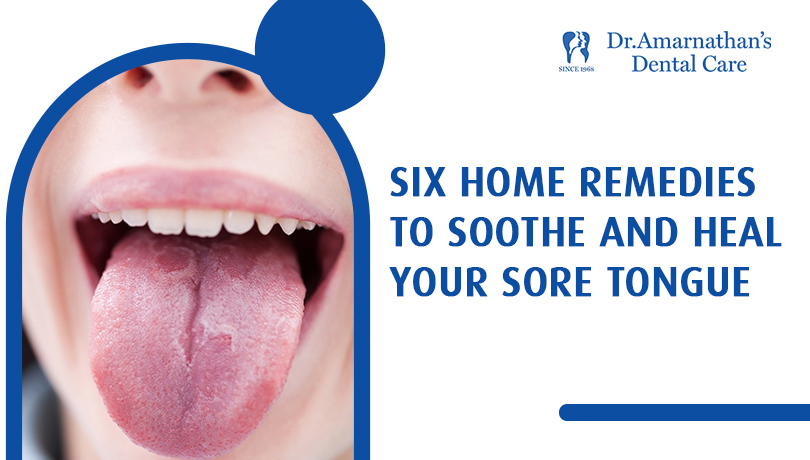
Skin peeling inside the mouth occurs when the oral mucosa – the thin, delicate tissue lining the cheeks, gums, and lips – begins to shed or peel. This may appear as white, thin layers of skin that slough off from the inside of the cheeks or other areas of the mouth.
In many cases, this happens due to irritation, minor injury, infections, allergic reactions, dry mouth, or vitamin deficiencies. While occasional peeling is usually harmless, persistent symptoms may indicate an underlying oral health issue.
Maintaining good oral hygiene, staying hydrated, and avoiding irritating oral care products can help reduce the chances of mouth tissue peeling.
Why Is the Skin Inside Your Mouth Peeling?
Noticing the skin inside your mouth peeling can feel concerning, but in most cases it is linked to irritation or an underlying oral condition. Some common causes include:
Harsh oral care products – Toothpaste or mouthwash containing sodium lauryl sulfate (SLS) or alcohol can irritate the delicate lining of the mouth and cause peeling.
Burns from hot food or drinks – Very hot beverages or foods like coffee, tea, or pizza can burn the oral tissue, leading to blistering and peeling as it heals.
Oral thrush (fungal infection) – Caused by Candida yeast, this infection produces white patches that may peel or wipe away, leaving red and sensitive areas underneath.
Canker sores and ulcers – Inflammation around mouth ulcers can sometimes cause the surrounding tissue to peel during the healing process.
Medication side effects – Certain medications that cause dry mouth or irritation of the oral mucosa may lead to peeling.
Allergic reactions – Sensitivity to certain foods, medications, or dental materials can irritate the mouth lining and trigger peeling.
Friction or trauma – Habitual cheek biting, braces, or poorly fitting dentures can repeatedly irritate the mouth tissue.
Oral lichen planus – A chronic inflammatory condition that can cause white, lacy patches or peeling on the inner cheeks and gums.
When to seek help: If peeling is persistent, painful, or accompanied by swelling, bleeding, or long-lasting red or white patches, consult a dentist or doctor for proper diagnosis and treatment..
Causes of Skin Peeling Inside Mouth
Skin peeling inside the mouth can be caused by several causes, including:

Trauma or Injury:
Trauma or injury is a common cause of skin peeling inside the mouth. Accidental biting, aggressive use of dental tools, or exposure to hot or spicy meals can all cause irritation and peeling. These instances cause fragile oral tissues to shed, which causes discomfort.
Oral Hygiene Products:
Harsh oral hygiene products frequently cause skin peeling inside the mouth. Toothpaste, mouthwashes, and other oral care products containing chemicals can irritate the fragile oral tissues, causing peeling.
Infections and Allergies
Skin peeling inside the mouth may be caused by illnesses such as oral thrush or allergic responses to foods, drugs, or dental materials. Infections cause inflammation, whereas allergies irritate, leading to the shedding of oral tissues.
Dry Mouth:
Skin peeling inside the mouth is often caused by insufficient saliva production, which results in dry mouth. Dryness can cause cracking and peeling of the oral mucosa.
Systemic Conditions
Systemic illnesses, such as autoimmune disorders like pemphigus or pemphigoid, can cause skin peeling inside the mouth. Seeking medical attention for a complete evaluation is critical.
Vitamin Deficiencies:
Insufficient amounts of essential vitamins, particularly B vitamins, can cause skin peeling within the mouth. Addressing vitamin inadequacies with a well-balanced diet or supplements can improve oral health.
How to Stop Skin Peeling Inside the Mouth
Peeling skin inside the mouth can be uncomfortable, but simple lifestyle and oral care changes can often help the tissues heal. Identifying and avoiding the underlying cause is the most important step in preventing further irritation.

Stay hydrated
Drink plenty of water throughout the day to keep your mouth moist and reduce dryness that may lead to peeling.
Avoid irritants
Limit spicy foods, acidic drinks, tobacco, and alcohol, as these can irritate the delicate lining of the mouth.
Maintain good oral hygiene
Brush gently with a soft-bristled toothbrush and use an alcohol-free mouthwash to support healing and prevent irritation.
Choose mild oral care products
Use toothpaste that does not contain harsh ingredients such as sodium lauryl sulfate (SLS), which can irritate sensitive oral tissues.
Improve moisture in dry environments
Using a humidifier in dry weather can help prevent dryness in the mouth.
Soothe irritated areas
Natural remedies such as aloe vera gel may help calm irritation and support healing of the oral tissues.
Avoid chewing rough objects
Biting the cheeks, chewing hard foods, or grinding teeth can worsen irritation and delay healing.
Consult a dentist if symptoms persist
If peeling continues for several days or is accompanied by pain, swelling, or unusual patches, seek professional dental advice for proper diagnosis and treatment.
When to Seek Medical Attention
Seek medical treatment if you have peeling skin in your mouth.
- Pain and Discomfort: If peeling causes pain, edema, or other symptoms.
- Persistent Symptoms: Peeling persists despite home remedies or changing oral care routines.
- Recurrent Issues: Frequent occurrences of a problem may indicate a chronic condition.
In these circumstances, a professional medical evaluation is required for a complete diagnosis and proper therapy.
Bottom line
Peeling skin inside the mouth can feel uncomfortable, but in most cases it is caused by mild irritation or temporary conditions. Maintaining good oral hygiene, staying hydrated, and avoiding potential irritants can help prevent and manage the problem. However, if the peeling persists, becomes painful, or is accompanied by unusual symptoms, it is important to seek professional dental advice for proper diagnosis and treatment. Taking care of your oral health plays an important role in maintaining a comfortable and healthy mouth.
If you experience persistent oral discomfort, consult a dentist to ensure proper diagnosis and care.
Frequently Asked Questions
The most common reasons include irritation from spicy or acidic foods, allergies to toothpaste or mouthwash, dry mouth, burns from hot food, or certain dental restorations. Sometimes, it may be linked to conditions like oral lichen planus, cheek biting, or fungal infections.
Yes. Products with strong detergents like sodium lauryl sulfate (SLS), alcohol-based rinses, or whitening agents can irritate the oral lining, leading to peeling. Switching to SLS-free or alcohol-free options often helps.
It can be. Fungal infections (like oral thrush) or viral infections may cause peeling or sloughing of tissue. If peeling is persistent, painful, or accompanied by white patches or sores, it’s best to consult a dentist.
If the peeling lasts more than a week, recurs often, is painful, or is associated with bleeding, swelling, or sores, you should seek professional evaluation. Persistent peeling may signal an underlying condition needing treatment.
- Peeling may be caused by spicy foods, hot burns, cheek biting, allergies, or dental restorations.
- Strong toothpaste (with SLS) or alcohol-based mouthwash can irritate and cause peeling.
- Infections like oral thrush or viral conditions may also lead to peeling or sloughing.
- Seek medical help if peeling lasts over a week, is painful, or comes with sores or bleeding.
- Prevention tips include using mild toothpaste/mouthwash, avoiding irritants, staying hydrated, and regular dental visits.