Best Probiotics for Oral Health: What to Look For & How to Use Them

Bad breath, gum issues, or frequent cavities? The problem might be deeper than brushing. Probiotics for oral health—also known as oral probiotics or mouth probiotics—are emerging as powerful allies in improving your dental hygiene from the inside out. While most people think of probiotics for gut health, few realize the benefits of dental probiotics in balancing the mouth’s bacteria, reducing plaque, and supporting healthier gums. In this blog, you’ll learn what to look for when choosing the best probiotics for oral health, how they work, and the right way to use them for long-term results.
What Are Oral Probiotics ?
Oral probiotics are helpful microorganisms that promote a balanced and healthy environment in your mouth. Your mouth contains billions of bacteria, including both helpful and harmful types. When the harmful ones outnumber the good, problems like plaque, gum inflammation, and bad breath start to show up.
Dental probiotics work by restoring that balance. They introduce friendly bacteria that push out harmful strains. These good bacteria form a natural defense, making it harder for cavities, gum disease, and oral infections to take hold.
Why the Mouth Needs Good Bacteria Too
We often hear about maintaining a healthy gut, but the mouth is the starting point of the digestive system, and it’s just as important. A healthy mouth microbiome supports overall oral wellness, helps regulate pH, and protects the gums and teeth.
Without enough good bacteria, harmful microbes like Streptococcus mutans (linked to tooth decay) or Porphyromonas gingivalis (linked to gum disease) take over. This leads to tartar buildup, sensitivity, bleeding gums, and chronic bad breath.
Top Benefits of Probiotics for Oral Health
Here’s what mouth probiotics can help with:
- Reduces bad breath by controlling odor-causing bacteria
- They help reduce the risk of gum disease by soothing inflammation.
- Prevents plaque buildup and protects enamel
- Supports healing after dental treatments
- Improves dry mouth symptoms for some users
These benefits don’t happen overnight, but with consistent use, many people notice a clear difference within a few weeks.
Signs You Might Need Mouth Probiotics
If you’re dealing with any of the following, adding oral probiotics may help:
- Persistent bad breath even after brushing
- Bleeding or swollen gums
- Frequent cavities despite good hygiene
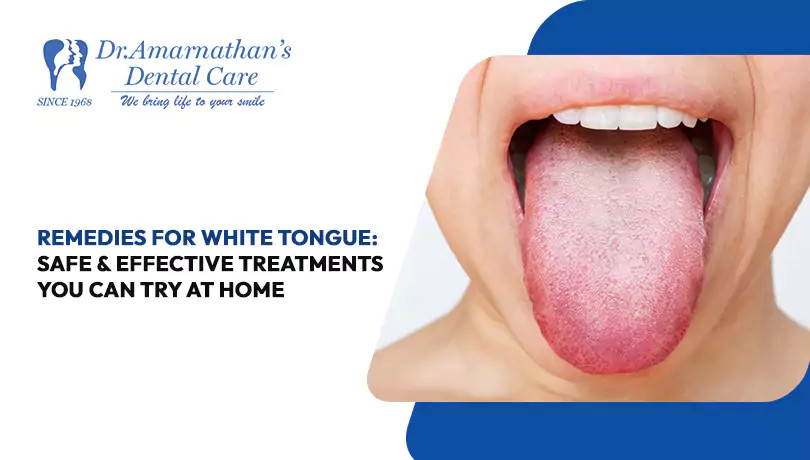
- White coating on the tongue
- Dry mouth or a metallic taste
While they’re not a cure-all, they can be a helpful addition to your daily routine, especially if other treatments haven’t worked.
How Oral Probiotics Differ from Gut Probiotics
Most gut probiotics are designed to survive stomach acid and colonize the intestines. Unlike regular probiotics, dental probiotics are designed to remain in the mouth and work directly there.That’s why they’re often available in lozenges, chewables, or mouthwashes—not capsules you swallow.
Mouth probiotics are made with strains that naturally live in the oral cavity. These include:
- Streptococcus salivarius (K12 and M18)
- Lactobacillus reuteri
- Lactobacillus paracasei
- Lactobacillus rhamnosus
These strains have shown promise in supporting healthy gums and reducing oral pathogens.
What to Look for in a Good Dental Probiotic
Not all probiotics are the same. Here’s what to check before buying one:
- Targeted strains: Opt for bacterial strains known to support oral health, especially S. salivarius K12 and M18.
- Formulation type: Lozenges, melts, or mouthwashes work better than capsules
- CFU count: Aim for products that provide at least 1 to 2 billion CFUs per dose.
- No added sugar or artificial sweeteners.
- Third-party testing or quality certification
If you’re not sure which product to choose, talk to your dentist before starting.
Do Oral Probiotics Replace Brushing?
No, mouth probiotics aren’t a substitute for your regular dental care. They’re meant to enhance it. You still need to brush twice a day, floss regularly, and see your dentist for checkups.
Think of oral probiotics as an extra layer of protection, especially if you’re prone to dental problems or want to prevent issues before they start.
Possible Side Effects and Considerations
Most people tolerate oral probiotics well. Side effects are rare but may include mild stomach upset or changes in taste when starting.
Always:
- Avoid products with allergens if you’re sensitive
- Follow the dosing instructions
- If you have ongoing oral infections or chronic health issues, check with your dentist before using them.
Final Thoughts: Are Mouth Probiotics Worth It?
For many people, yes. If you’ve tried everything and still struggle with gum issues or bad breath, oral probiotics could be the missing piece. They offer a gentle, natural way to support your mouth’s ecosystem and keep harmful bacteria in check.
They’re not magic, and they don’t work overnight—but when used correctly, dental probiotics can make a noticeable difference in your oral health.
Want to take better care of your smile? Ask your dentist about the right oral probiotic for you.