

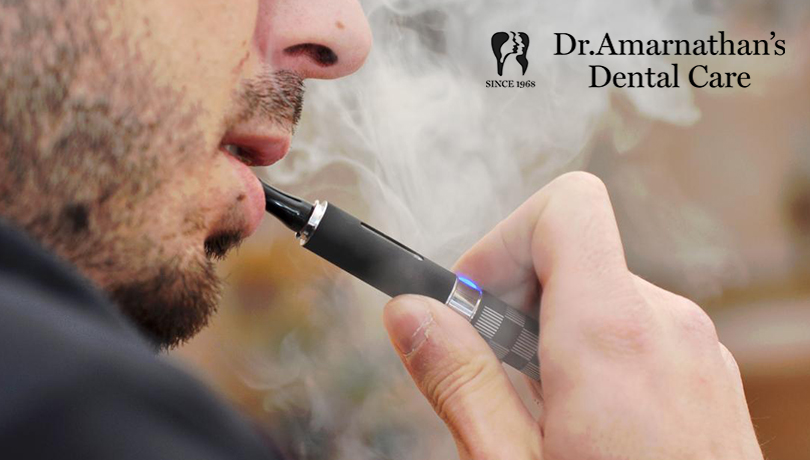
Many people switch from smoking to vaping believing it is a safer alternative. While vaping may expose users to fewer harmful chemicals than traditional cigarettes, research suggests it can still negatively impact oral health. From dry mouth and gum recession to tooth decay and gum disease, vaping can create several dental problems that may worsen over time.
In this blog, we explain how vaping affects your teeth and gums and what you can do to protect your oral health.
Is Vaping Bad for Your Teeth?
Yes. Vaping can negatively affect your oral health by reducing saliva production, increasing harmful bacteria, causing gum inflammation, contributing to tooth decay, and increasing the risk of gum disease. The nicotine found in many e-cigarettes can also reduce blood flow to the gums, leading to gum recession and other dental complications.

How Does Vaping Affect Your Oral Health?
1. Gum Recession
One of the most common oral health concerns associated with vaping is gum recession.Nicotine reduces blood flow to the gums by constricting blood vessels. When the gums do not receive enough oxygen and nutrients, the tissue can weaken and begin to pull away from the teeth.
As gum recession progresses, it may lead to:
- Tooth sensitivity
- Increased risk of cavities near the gum line
- Exposed tooth roots
- Loose teeth
- Tooth loss in severe cases
Healthy gums play a critical role in supporting your teeth, making gum recession a serious concern for regular vapers.
2. Dry Mouth and Increased Bacterial Growth
Saliva helps keep your mouth clean by washing away food particles and neutralizing acids produced by bacteria.
Vaping can reduce saliva production, leading to dry mouth. When saliva levels decrease, harmful bacteria can multiply more easily, increasing the risk of several oral health issues.
Common problems linked to dry mouth include:
- Bad breath
- Increased plaque buildup
- Tooth decay
- Mouth discomfort
- Higher risk of gum infections
Keeping your mouth hydrated is important, but reducing nicotine exposure is often the most effective long-term solution.
3. Increased Risk of Tooth Decay
A dry mouth creates the perfect environment for cavity-causing bacteria.
Additionally, many flavored vape liquids contain sweetening agents that may contribute to bacterial growth in the mouth. Combined with reduced saliva production, this can increase your risk of developing cavities over time.
If left untreated, tooth decay can progress and require treatments such as fillings, root canal therapy, or even tooth extraction.
4. Tooth Grinding and Tooth Damage
Nicotine acts as a stimulant and can increase muscle activity, including involuntary jaw clenching and teeth grinding, a condition known as bruxism.
Frequent grinding can lead to:
- Chipped teeth
- Cracked teeth
- Worn enamel
- Jaw pain
- Headaches
- Increased tooth sensitivity
People who already suffer from bruxism may notice their symptoms worsening when using nicotine-containing vape products.
5. Gum Disease
NIH-supported research found that people who vape have oral microbial communities that resemble those of smokers, which may indicate an elevated risk of gum disease.
The combination of reduced blood circulation, dry mouth, and increased bacterial growth can trigger inflammation in the gums. Over time, this can develop into periodontal disease, which affects the tissues and bone supporting your teeth.
Signs of gum disease include:
- Red or swollen gums
- Bleeding while brushing or flossing
- Tender gums
- Receding gums
- Loose teeth
Early diagnosis and treatment are important to prevent long-term damage.
6. Tooth Discoloration
Many people assume vaping does not affect the appearance of their teeth because it does not produce tobacco smoke.
However, nicotine can still contribute to staining and discoloration over time. Teeth may gradually develop a yellowish appearance, especially among long-term users of nicotine-containing vape products.
Regular dental cleanings can help reduce surface stains, but continued nicotine exposure may lead to recurring discoloration.
7. Delayed Healing After Dental Procedures
Healthy blood circulation is essential for healing after dental treatments.Because nicotine restricts blood flow, vaping may slow recovery after procedures such as:
- Tooth extractions
- Dental implant placement
- Gum surgery
- Wisdom tooth removal
Delayed healing can increase the risk of complications and prolong recovery times.
Vaping vs Smoking: Which Is Worse for Oral Health?
| Oral Health Issue | Smoking | Vaping |
| Dry Mouth | Yes | Yes |
| Gum Disease | High Risk | Increased Risk |
| Tooth Decay | Common | Common |
| Gum Recession | Common | Possible |
| Bad Breath | Common | Common |
| Delayed Healing | Yes | Yes |
| Tooth Discoloration | Severe | Moderate |
How to Protect Your Oral Health if You Vape
If you currently vape, the following steps may help reduce your risk of dental problems:
- Brush twice daily using fluoride toothpaste.
- Floss every day.
- Drink plenty of water to combat dry mouth.
- Use an alcohol-free mouthwash.
- Limit sugary foods and beverages.
- Schedule regular dental checkups and cleanings.
- Consider reducing or quitting nicotine products.
Preventive care can help detect potential problems before they become serious.
Final Thoughts
Although vaping is often marketed as a safer alternative to smoking, it is not without risks. Regular vaping can contribute to dry mouth, gum recession, tooth decay, tooth grinding, gum disease, and delayed healing after dental procedures.
Maintaining good oral hygiene and attending routine dental checkups can help reduce these risks. However, the most effective way to protect your teeth, gums, and overall health is to avoid nicotine products altogether.
If you vape regularly and have concerns about your oral health, consult your dentist for a comprehensive evaluation and personalized advice.