Zygomatic Dental Implants

Some people can’t get regular dental implants because they’ve lost too much bone in their upper jaw. In the past, the only fix was bone graft surgery, which takes time and can be uncomfortable.
Today, there’s another option — zygomatic dental implants. These implants attach to the cheekbone, giving you strong, permanent teeth without bone grafting.
In this guide, we’ll explain what zygomatic implants are, how the procedure works, who qualifies, the benefits and risks, and what to expect from recovery.
What Are Zygomatic Dental Implants?
Zygomatic implants are a special kind of dental implant that attaches to the cheekbone instead of the upper jaw. The cheekbone is harder and stronger than the jawbone, making it a good base for implants when the jawbone is too weak or thin for regular implants.
Instead of putting the implant into the jawbone, the dentist uses a longer titanium screw that anchors into the cheekbone. This avoids the weak or missing jawbone, so patients can get a complete set of upper teeth without bone grafts or sinus lift surgery.
Who Needs Zygomatic Implants?
You may be a candidate for zygomatic dental implants if you have:
- Severe bone loss in the upper jaw
- Failed conventional dental implants
- Advanced periodontal disease leading to tooth and bone loss
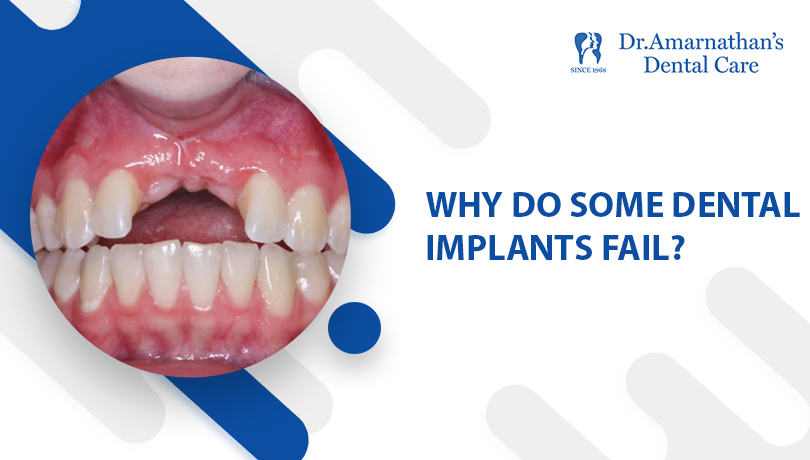
- Significant bone resorption after years of wearing dentures
- Oral cancer surgery or trauma that damaged the jawbone structure
Many patients who have been wearing removable dentures for decades find zygomatic implants life-changing. They offer the possibility of fixed teeth in a day, even in extreme cases of bone deterioration.
Zygomatic vs. Traditional Dental Implants
| Feature | Traditional Implants | Zygomatic Implants |
| Bone requirement | Adequate jawbone | Not needed (uses cheekbone) |
| Need for bone graft | Often required | Rarely required |
| Surgical complexity | Moderate | Advanced |
| Treatment time | 6–12 months (with grafts) | Immediate or within days |
| Ideal for | Mild/moderate bone loss | Severe bone loss |
The Zygomatic Implant Procedure
The zygomatic implant procedure is a highly specialized surgery performed by oral surgeons or implantologists trained in advanced implantology.
Step-by-step process:
- Assessment and 3D Imaging
The dentist will perform a thorough oral examination, CT scan, and 3D imaging to map your facial anatomy and plan implant placement. - Treatment Planning
The surgical guide is prepared to determine the exact angle and depth for the implant in the cheekbone. - Anesthesia
The procedure is typically done under general anaesthesia or IV sedation for comfort. - Implant Placement
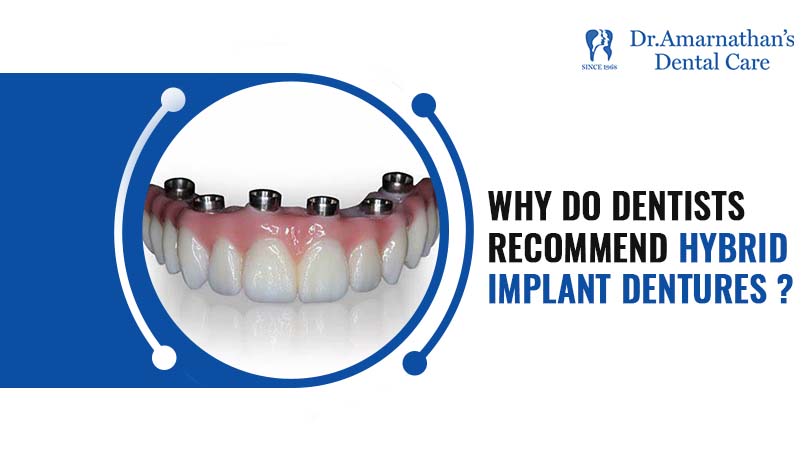
The surgeon places one or two long titanium implants into each cheekbone. In many cases, All-on-4 or All-on-6 hybrid techniques are combined with zygomatic implants for optimal support. - Immediate Loading (Same-Day Teeth)
In most cases, a temporary fixed bridge is attached on the same day, so you leave the clinic with a complete set of functional teeth.
Benefits of Zygomatic Dental Implants
- No Bone Graft Needed – Saves months of healing time compared to bone grafting.
- Immediate Function – Many patients can eat soft foods the same day.
- High Success Rate – Clinical studies show success rates above 95%.
- Stable and Long-Lasting – The cheekbone provides excellent implant stability.
- Improved Quality of Life – Restores the ability to chew, speak, and smile confidently.
- Alternative for “Hopeless” Cases – Offers a solution even when traditional implants have failed.
Risks and Considerations
While zygomatic implants have an excellent track record, they are still a complex surgical procedure. Possible risks include:
- Sinus-related complications
- Infection
- Nerve damage (rare)
- Implant failure (uncommon)
Recovery and Aftercare
Healing time for zygomatic implants is often shorter than traditional implants because no bone grafting is involved. Here’s what to expect:
- First week: Swelling, mild discomfort, and a soft diet
- 2–4 weeks: Gradual return to normal eating (avoiding hard foods)
- 3–6 months: Full integration of the implant into the bone
- Permanent bridge: Fitted once healing is complete, replacing the temporary bridge
Zygomatic Implants Success Rate and Longevity
Studies show success rates of over 95% at 10 years or more. With proper care, zygomatic implants can last decades, often for the rest of a patient’s life. They are made from titanium, a biocompatible metal that bonds well with bone.
Final Thoughts
For patients with severe upper jaw bone loss, zygomatic dental implants are a game-changing alternative to traditional implants and dentures. They offer immediate function, long-term stability, and a natural-looking smile without the delays and discomfort of bone grafting.
Contact us, the best dental clinic in Chennai, Dr Amarnathan Dental Care, for personalised treatment and expert care.