What is an Underbite?
An underbite is a type of dental misalignment where the lower front teeth extend further forward than the upper front teeth. Normally, the upper teeth should slightly overlap the lower ones when you bite down. In an underbite, this balance is reversed, creating what dentists classify as a Class III malocclusion.
The severity of an underbite can vary.
- In mild cases, the misalignment may be subtle and barely noticeable, sometimes requiring no treatment at all.
- In severe cases, the lower jaw protrudes significantly, making the condition visible to others and often leading to functional problems.
Untreated underbites can contribute to jaw pain, uneven tooth wear, gum disease, speech difficulties, and a higher risk of cavities. Because of these potential complications, dentists often recommend early evaluation to decide whether treatment is necessary.

Causes of underbite
Genetics
Family history is the most common reason. Jaw size, tooth shape, and even skeletal growth patterns are strongly influenced by genes.
Poor childhood habits
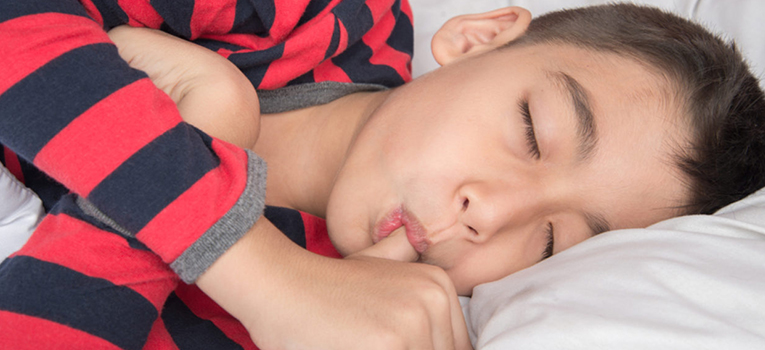
Prolonged use of pacifiers, thumb sucking, tongue thrusting, and prolonged bottle-feeding are some of the poor childhood habits that increase the risk of creating an underbite problem.
Stop your kids from these kinds of prolonged activities as soon as you notice.
Tumor
Protrusion of the jaw occurs if there is a tumor in the mouth or jawbone. Growths in the jaw or mouth can alter bone structure and push the jaw into a protruding position.
Injury
An injury in the face causes permanent damage to the jawbones. Facial injuries that fracture the jaw may heal unevenly, causing a permanent bite misalignment.
Signs & Symptoms of an Underbite
An underbite is usually visible, but early signs may include:
- Difficulty biting or chewing food evenly
- Frequent jaw or facial pain
- Speech difficulties (lisps or unclear pronunciation)
- Excessive tooth wear on certain teeth
- Mouth breathing or chronic snoring
Problems Caused by an Underbite
An underbite can affect both physical health and self-confidence. Common complications include:
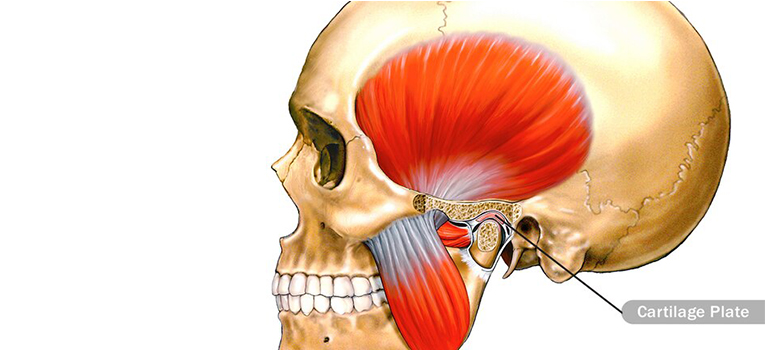
- Jaw Pain & TMJ Disorder: Clicking, popping, or locking of the jaw joint with headaches and earaches.
- Speech Issues: Misaligned teeth can affect pronunciation and clarity.
- Chewing Difficulties: Uneven bite makes it harder to chew, leading to digestive problems.
- Mouth Breathing & Snoring: Narrow airway can worsen snoring or sleep apnea.
- Tooth Decay & Gum Problems: Abnormal enamel wear makes teeth prone to decay.
- Facial Imbalance: The protruding jaw can affect overall facial harmony.
- Low Self-Esteem: Many patients struggle with confidence and social interactions.
Why Treating an Underbite Matters
Leaving an underbite untreated increases the risk of:
- Chronic TMJ disorders
- Severe enamel wear and early tooth loss
- Poor sleep quality due to obstructive sleep apnea
- Emotional distress and lower self-confidence
- More complex and costly treatments later in life
The earlier the condition is corrected, the simpler and more effective the treatment tends to be.
Treatment Options for Underbite
Your orthodontist may recommend one or a combination of the following treatments depending on your age and severity of the condition:
1. Palatal Expander
A device fixed to the upper teeth that gradually widens the upper jaw to align with the lower.
2. Reverse Pull Headgear
Applies gentle force to move the upper jaw forward into alignment. Commonly used in children.
3. Braces
Traditional braces correct tooth misalignment and are often combined with other appliances.
4. Invisalign (Clear Aligners)
Virtually invisible aligners that shift teeth into position. Effective for mild to moderate underbites and popular among adults.
5. Orthognathic Surgery
For severe cases or adult patients where growth has completed. Surgery repositions the upper or lower jaw and stabilizes with plates and screws.
Before & After: What to Expect
Patients often notice:
- A balanced facial profile
- Improved speech clarity
- Better chewing and digestion
- Reduced jaw pain
- Boosted self-confidence
Can Underbite Be Prevented?
Yes, in children, some habits can be corrected early. Parents should:
- Discourage thumb sucking and pacifier use beyond age 3
- Schedule dental visits by age 6–7 for early orthodontic evaluation
- Monitor jaw growth and bite alignment
Final Thoughts
An underbite is more than a cosmetic concern, it can impact how you eat, sleep, and feel about yourself. The good news: with modern orthodontics and surgery, underbites are fully treatable at any age.
If you or your child is showing signs of underbite, don’t delay treatment. Early diagnosis ensures better results and fewer complications.
At Dr. Amarnathan’s Dental Care, Chennai, we provide advanced orthodontic and surgical options to correct underbite safely and effectively.
Call us today or Book an Appointment with our orthodontist to restore your smile and confidence.
Frequently Asked Questions
Mild cases in children may improve as they grow, but most require orthodontic intervention.
The best age is between 7–12 years, when jaw growth can still be guided.
Yes, clear aligners work well for mild to moderate cases but may be combined with surgery for severe underbites.
Braces or Invisalign may take 12–24 months, while surgery recovery takes 6–12 weeks.
Yes. Surgical correction offers a permanent solution for severe skeletal underbites.