What Are the Different Types of Braces and Which Is Right for You?

Choosing the proper orthodontic treatment can feel overwhelming, especially with so many options available. If you’ve been wondering what the different types of braces are and which one suits your needs, you’re not alone. From traditional metal braces to clear aligners, each type offers unique benefits and drawbacks. The confusion often leads to delays in treatment or choices that don’t align with lifestyle or dental goals. In this blog, you’ll learn about the most common types of braces, who they’re best for, and how to decide what’s right for your smile and your budget.
1. What Are the Different Types of Braces? A Quick Overview
There are five common types of braces:
- Metal braces
- Ceramic braces
- Lingual braces
- Clear aligners (like Invisalign)
- Self-ligating braces
Each type straightens teeth, but they differ in how they look, feel, and work.
2. Traditional Metal Braces: Still the Most Reliable Option?
Metal braces are the most common type. They use metal brackets and wires to shift your teeth over time.
Pros:
- They treat all kinds of dental issues
- Very durable
- Usually, the most affordable option
Cons:
- Very visible
- May cause discomfort, especially early on
- Can feel bulky inside the mouth
If looks aren’t a big concern and you want effective treatment, metal braces are a safe choice.
3. Ceramic Braces: A Discreet Alternative with Style
Ceramic braces work like metal ones but use clear or tooth-colored brackets. They’re less noticeable.
Pros:
- Blend in better with your teeth
- Good choice for teens and adults who care about appearance
Cons:
- Easier to stain if not cleaned well
- More fragile than metal
- Slightly more expensive
Ceramic braces are a solid option if you want something discreet that still works well.
4. Lingual Braces: Hidden Braces with Visible Results
Lingual braces go behind your teeth, not in front. They’re hidden from view when you talk or smile.
Pros:
- Completely invisible from the outside
- Custom-made to fit your teeth
Cons:
- Harder to clean
- May affect speech in the beginning
- Usually costs more
- Not ideal for all cases
Lingual braces work best if you want complete treatment without showing any braces.
5. Clear Aligners (Like Invisalign): Are They Right for You?
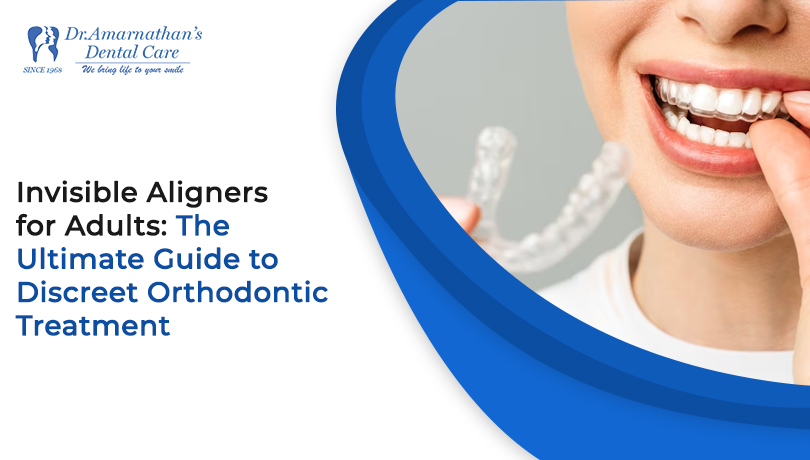
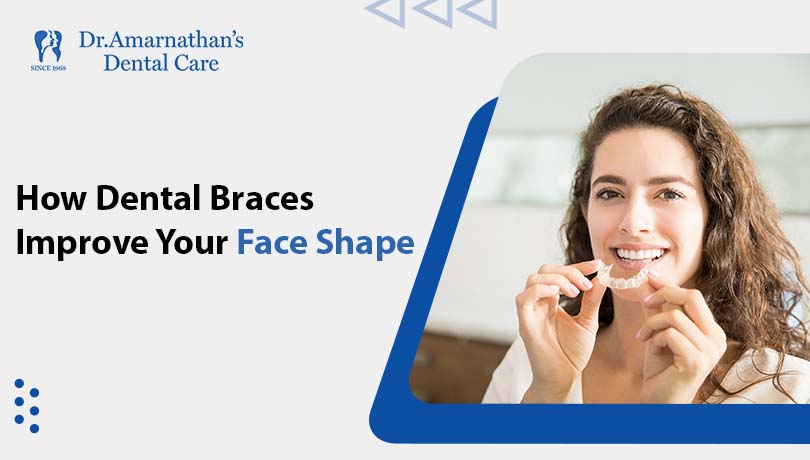
Clear aligners are removable trays that gradually move your teeth. A new aligner tray is used every few weeks to keep your treatment moving.
Pros:
- Almost invisible
- Can be removed for eating and brushing
- No wires or brackets
Cons:
- You must wear them 20–22 hours a day
- Not suited for very complex issues
- Easy to lose or forget to wear
- Usually pricier than metal braces
Clear aligners work well if you need something barely visible and can wear them regularly.
6. Self-Ligating Braces: Faster, Cleaner, and More Comfortable?
Self-ligating braces are like metal or ceramic braces but use a special clip instead of rubber bands to hold the wire.
Pros:
- Put less pressure on your teeth
- Easier to keep clean
- May require fewer visits
Cons:
- Still visible unless ceramic
- Slightly more costly than regular braces
These are a more modern alternative for those looking for less friction and possibly quicker results.
7. Braces for Kids vs. Adults: What’s the Difference?
- Kids’ jaws are still growing. This helps teeth shift more easily and often speeds up the process. Adults may take longer, and treatment can be more complex.
- Kids often go with metal braces. They’re strong and effective. Most adults go for less visible choices, such as ceramic braces or clear aligners.
- Adults might also have gum issues or past dental work that needs to be considered before starting braces.
8. How to Choose the Best Type of Braces for Your Smile Goals
Choosing braces depends on more than just how they look. Think about your comfort, lifestyle, and how severe your alignment issue is.
Here’s a quick guide:
- Metal braces — suitable for all ages and cases, and cost-effective
- Ceramic braces — better for teens or adults who care about visibility
- Lingual braces — best for people who want their braces completely hidden
- Clear aligners — ideal for mild to moderate issues and flexible lifestyles
- Self-ligating braces — suitable for cleaner, quicker treatment with less pressure
Talk to your orthodontist to find out what suits your specific situation best.
Final Thoughts
Braces come in many forms. Each one has its benefits and downsides. What matters most is finding a type that fits your needs, your life, and your goals. Talk to your orthodontist. Ask questions. Be honest about what’s important to you—whether it’s looks, comfort, or how much effort you’re willing to put in. The right choice will help you get the smile you want, the way that works best for you.