How to Stop Tooth Decay from Spreading: Causes, Prevention & Treatment

Tooth decay doesn’t happen overnight. It usually starts as a small problem which is often unnoticed and gradually progresses deeper into the tooth structure. Many patients are surprised to learn that early decay can sometimes be slowed or even reversed with the right care.
Understanding how to stop tooth decay from spreading begins with recognizing the early signs, knowing what causes it, and taking practical steps to protect your teeth before the damage becomes severe.
This blog explains what tooth decay is, the tooth decay symptoms, and the treatments dentists commonly recommend to stop it from worsening.
What Is Tooth Decay?
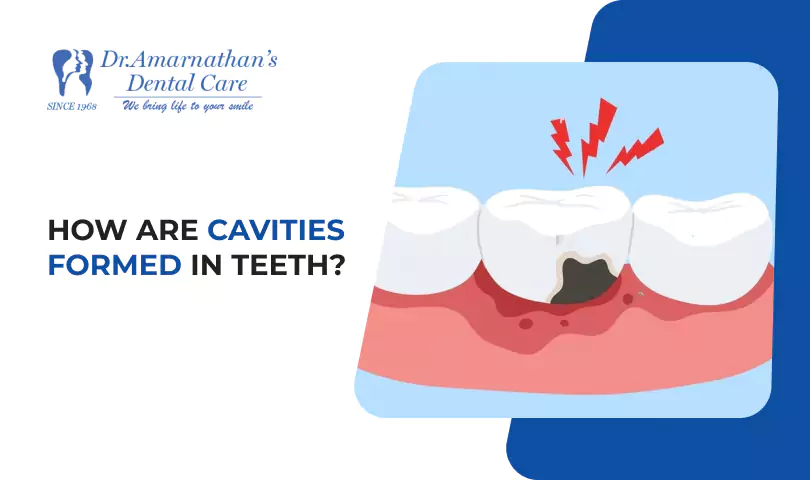
Tooth decay is the slow destruction of tooth enamel caused by acids produced by bacteria in the mouth. These bacteria feed on sugars and starches from food and produce acid that slowly erodes the protective outer layer of the tooth.
The damage can progress through several stages:
- Enamel demineralization – Weakening of the enamel
- Enamel decay -Formation of small cavities
- Dentin decay -Decay spreading to the inner layer
- Pulp infection -Infection gets spreaded inside the root
- Abscess Formation – Formation of pus at the roots
In early stages, decay may not cause any pain at all, which is why many people don’t realize they have it until it worsens.

Common Tooth Decay Symptoms
Recognizing the symptoms early can prevent more serious dental problems later.
Early Symptoms
- White spots on teeth
- Sensitivity to sugary foods
- Mild discomfort when eating sweets
Progressive Symptoms
- Tooth sensitivity to hot or cold
- Visible dark spots or holes in the tooth
- Bad breath or unpleasant taste
- Food getting stuck between teeth
Advanced Symptoms
- Persistent toothache
- Swelling near the affected tooth
- Pain while chewing
Many patients visit the dentist only when pain starts. By that stage, the decay has often already reached the dentin layer.
Why Tooth Decay Spreads
Tooth decay spreads when the underlying cause is ignored. The most common reasons include:
Poor Oral Hygiene
Improper brushing and flossing allow plaque to remain on teeth. Plaque contains bacteria that continuously produce acid.
Frequent Sugar Consumption
Frequent snacking on sugary foods or drinks keeps acid levels high in the mouth, resulting in enamel breakdown.
Dry Mouth
Saliva helps neutralize acids and wash away bacteria. Reduced saliva production and dry mouth increases the risk of decay spreading fastly.
Delayed Dental Visits
Dental visits during the initial stage are easy to treat , however delayed dental checkup causes the decay to progress deeper.
How to Stop Tooth Decay from Spreading
To prevent spreading of decay requires a combination of home care and professional dental treatment.
1. Improve Daily Oral Hygiene
Consistent oral care is the first step in controlling decay spread.Dentists recommend:
- Brushing twice daily with fluoride toothpaste
- Flossing once a day to remove plaque between teeth
- Cleaning the tongue to reduce bacterial buildup
Fluoride helps strengthen enamel and can even help remineralize early enamel damage.
2. Reduce Sugar Frequency
It’s not just the amount of sugar that matters, but how often you consume sugary foods is taken into account.For example,
- Sipping sweet beverages throughout the day exposes teeth to repeated acid attacks.
- Limiting sugary snacks between meals can significantly reduce decay progression.
- Try replacing sugary drinks with water. It is one of the most effective ways to decline the progression of tooth decay.
3. Use Fluoride Treatments
Dentists often recommend fluoride treatments for patients with early enamel damage.Professional fluoride applications can:
- Strengthen enamel
- Slow down early decay
- Help remineralize weakened areas
These treatments are especially helpful for patients prone to tooth cavities.
4. Address Early Cavities Quickly
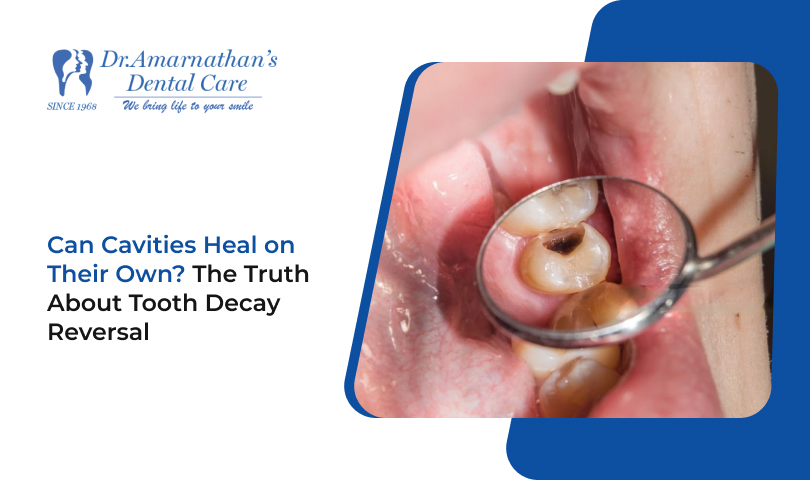
Tooth cavities don’t heal on their own. At this stage, tooth decay treatment usually involves removing the damaged portion of the tooth and restoring it with a dental filling.
Modern fillings are quick, minimally invasive, and designed to preserve as much natural tooth structure as possible. Treating cavities early prevents them from spreading deeper.
5. Consider Dental Sealants
Dental sealants are protective coatings applied to the chewing surfaces of molars. They act as a barrier that prevents bacteria and food particles from getting trapped in deep grooves of teeth. Sealants are commonly recommended for children but can also benefit adults with high cavity risk.
6. Regular Dental Checkups
Regular dental visits allow dentists to detect early tooth decay that may not be visible or painful yet. Dentists can identify:
- Early enamel damage
- Hidden cavities between teeth
- Areas prone to plaque buildup
Professional cleanings also remove hardened plaque (tartar), which cannot be removed through brushing.
Professional Tooth Decay Treatment Options
If decay progresses beyond the initial stages, professional treatment becomes necessary. Some of the common treatment options include:
Dental Fillings
Preferred for small to moderate cavities. The decayed portion of the tooth is removed and restored with a filling material.
Dental Crowns
When a large portion of the tooth is damaged, a dental crown is placed over the tooth to restore strength and function.
Root Canal Treatment
If the infection reaches the pulp, a root canal is required to remove infected tissue and save the tooth.
Tooth Extraction
In severe cases where the tooth cannot be restored, extraction may be the only option. Early diagnosis often prevents the need for more complex procedures.
Practical Habits That Protect Your Teeth Long-Term
Small daily habits make the biggest difference in protecting your teeth. Patients who successfully prevent cavities typically follow these routines:
- Brush before bedtime without skipping
- Drink water after meals
- Limit sticky and sugary snacks
- Replace toothbrushes regularly
- Schedule dental checkups every six months
These habits may seem simple, but they play a powerful role in protecting enamel and stopping decay from progressing.
When to See a Dentist
Knowing when to visit a dentist can help prevent tooth decay from worsening. You should schedule a dental checkup if you notice,
- Persistent tooth sensitivity,
- Visible spots or holes in a tooth,
- Pain while chewing,
- Ongoing toothache, or
- Bad breath that doesn’t go away.
Even if you don’t notice clear tooth decay symptoms, regular dental checkups help detect early problems and ensure timely tooth decay treatment before the decay spreads further.
Conclusion
Understanding how to stop tooth decay from spreading comes down to early awareness and consistent care.
Recognizing symptoms, maintaining strong oral hygiene, reducing sugar exposure, and seeking treatment can prevent small problems from turning into painful dental emergencies. Protecting your teeth isn’t about perfection,it’s about consistent habits and addressing issues before they have a chance to progress.
If you’re noticing signs of decay or haven’t had a dental checkup in a while, it’s best not to delay. Booking an appointment At Dr. Amarnathan Dental Care to save your natural tooth and prevent more complex procedures later.
Frequently Asked Questions
Tooth decay can spread over months or even years, depending on factors like oral hygiene, diet, and saliva levels.Sugar intake and poor brushing can make it progress much faster.
Brushing twice daily with fluoride toothpaste can help slow or stop early-stage decay but cavities that have already formed require professional treatment.
Early enamel damage can sometimes be reversed with fluoride, proper oral hygiene, and dietary changes. However, once a cavity forms, it cannot reverse and needs dental treatment.
You can reduce the risk of decay by limiting sugary foods, drinking plenty of water, maintaining good oral hygiene and scheduling regular dental checkups.
Home care can help slow early decay through good oral hygiene and fluoride use, but established cavities cannot be treated without a dentist.