How to Cure Mouth Ulcers: Causes, Treatments, and Home Remedies

Mouth ulcers are small but incredibly uncomfortable. If you’ve ever had one, you know how something so tiny can make eating, talking, and even brushing your teeth painful. Most mouth ulcers heal on their own within a week or two, but the burning sensation and irritation can be frustrating while they last.
Understanding why mouth ulcers happen and how to treat them properly can make a big difference in how quickly they heal and how much discomfort you experience. In this Blog, we’ll look at the common causes, practical treatments, and simple home remedies that can help speed up recovery.
What Is a Mouth Ulcer?
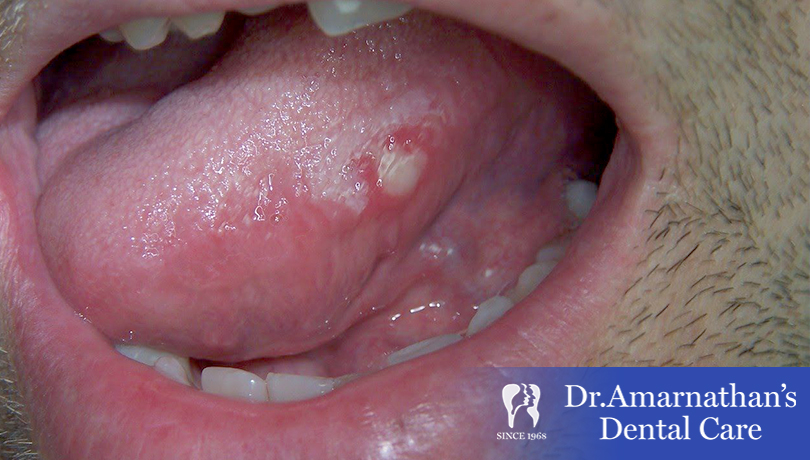
A mouth ulcer, also called a canker sore or aphthous ulcer, is a small sore that develops inside the mouth. It usually appears on the inner cheeks, lips, tongue, or gums. Unlike cold sores, mouth ulcers are not contagious and typically have a white or yellow center with a red border.
Most ulcers are harmless and temporary, but recurring or unusually large ulcers may indicate an underlying issue that needs professional attention.
Common Mouth Ulcer Causes
In dental practice, it’s often observed that many patients are surprised to discover that mouth ulcers are commonly caused by simple daily habits or minor injuries, rather than serious medical conditions.
Here are some of the most common causes.
1. Accidental Biting or Injury
Biting your cheek while chewing, brushing too aggressively, or irritation from sharp teeth or dental appliances can damage the inner lining of the mouth and trigger an ulcer.
2. Nutritional Deficiencies
Deficiencies in vitamin B12, iron, or folic acid can make the oral tissues more prone to ulcers. This is especially common in people with restricted diets or absorption issues.
3. Stress and Fatigue
Many patients report ulcers appearing during stressful periods. Emotional stress and lack of sleep can weaken the immune response and make ulcers more likely.
4. Spicy or Acidic Foods
Certain foods such as citrus fruits, tomatoes, and very spicy dishes can irritate sensitive oral tissues and trigger ulcers in some individuals.
5. Hormonal Changes
Hormonal fluctuations, particularly during menstruation, can sometimes lead to recurring mouth ulcers.
6. Underlying Health Conditions
Occasionally, frequent ulcers may be linked to conditions such as digestive disorders, immune issues, or allergies. In these cases, identifying the root cause is essential for long-term relief.
Mouth Ulcer Treatment: What Actually Helps
Most ulcers heal naturally within 7-10 days, but proper treatment can reduce pain and prevent infection.
1. Antiseptic Mouth Rinses
Saltwater rinses or medicated mouthwashes help keep the ulcer clean and reduce bacterial growth, allowing the tissue to heal faster.
2. Topical Mouth Ulcer Gel
Over-the-counter mouth ulcer gels create a protective layer over the sore, reducing irritation from food and saliva. Many also contain mild numbing agents to relieve pain.
3. Pain Relief Medications
For severe discomfort, dentists may recommend mild pain relievers or medicated gels designed specifically for oral ulcers.
4. Addressing the Underlying Cause
If ulcers occur frequently, treatment may involve correcting nutritional deficiencies, adjusting dental appliances, or managing stress-related triggers.
In dental practice, identifying the trigger is often the key step. Patients who repeatedly experience ulcers often notice improvement once the underlying cause is corrected.
Effective Mouth Ulcer Home Remedies
While medical treatments are useful, many simple remedies can also help soothe the discomfort and support healing.
Salt Water Rinse
A classic remedy that dentists often recommend. Mix half a teaspoon of salt in warm water and rinse gently 2-3 times a day.
How it helps:
- Reduces bacteria in the mouth
- Decreases inflammation
- Promotes faster healing
Honey Application
Honey has natural antibacterial and anti-inflammatory properties. Applying a small amount directly on the ulcer may reduce irritation and help protect the wound.
Coconut Oil
Coconut oil is widely used for its soothing and antimicrobial effects. Applying a small dab can help reduce irritation and dryness.
Aloe Vera Gel
Aloe vera is known for its calming and healing properties. Applying pure aloe gel may help reduce burning and inflammation.
Stay Hydrated
Dry mouth can worsen irritation. Drinking enough water helps maintain a healthy oral environment for healing.
Practical Tips to Prevent Mouth Ulcers
Many mouth ulcers are preventable with a few simple habits.
Maintain good oral hygiene
Brush gently with a soft-bristled toothbrush and floss regularly.
Avoid trigger foods
If you notice ulcers after eating certain foods, try limiting them.
Manage stress levels
Regular sleep, exercise, and stress management techniques can reduce recurrence.
Maintain a balanced diet
Ensure adequate intake of iron, B vitamins, and folate.
Check dental appliances
Braces, dentures, or sharp teeth edges should be adjusted if they repeatedly irritate the mouth.
When Should You See a Dentist?
Most canker sores are harmless, but you should seek professional evaluation if:
- The ulcer lasts more than two weeks
- Ulcers appear frequently or in large numbers
- The pain becomes severe
- Eating or drinking becomes difficult
- The ulcer is unusually large or spreads
Persistent sores may require further examination to rule out infections, nutritional deficiencies, or other medical conditions.
Conclusion
Mouth ulcers are common and usually temporary, but they can be surprisingly uncomfortable. In most cases, simple care such as gentle oral hygiene, soothing rinses, and protective treatments can relieve symptoms and speed up healing.
Understanding the common causes of mouth ulcers and how to manage them is the best way to prevent recurring discomfort. If ulcers become frequent or take longer than usual to heal, it’s wise to consult a dental professional to identify any underlying issues and ensure proper treatment.
With the right care and attention, most mouth ulcers heal quickly, allowing you to return to eating, speaking, and smiling comfortably.
Frequently Asked Questions
The most common causes include minor injuries inside the mouth, stress, nutritional deficiencies (like vitamin B12 or iron), and irritation from certain foods or dental appliances.
Spicy, acidic, and salty foods such as citrus fruits, tomatoes, pineapple, and very spicy dishes can irritate the mouth lining and trigger ulcers in some people.
Using antiseptic mouth rinses, applying mouth ulcer gel, and keeping the area clean can help reduce pain and support faster healing.
Mouth ulcers are painful because they affect the sensitive inner lining of the mouth. This makes eating, drinking, or even talking feel uncomfortable or irritating.
Most canker sores heal naturally within 7 to 10 days, though larger ulcers may take up to 2 weeks to fully recover.