Dry socket vs Normal socket: A Full Guide

Dental treatments, particularly tooth extractions, are complicated and challenging procedures that usually cause a range of difficulties. Among these, “dry socket” is a significant worry for both patients and dental practitioners. While most people recover quickly following an extraction, others may experience this unpleasant condition, which occurs when a blood clot fails to form or becomes dislodged from the extraction site, exposing underlying nerves and bone. Understanding the difference between a dry socket and a normal socket not only helps to recognize possible difficulties early on but also promotes better post-operative care.
In this blog, we will look at the differences between normal and dry sockets, symptoms, treatment, and Preventing measures. Whether you’re a patient planning for an extraction or a caretaker looking to understand the healing process better, this complete blog will provide you with vital information to help you navigate the recovery road.
What is a Dry Socket?
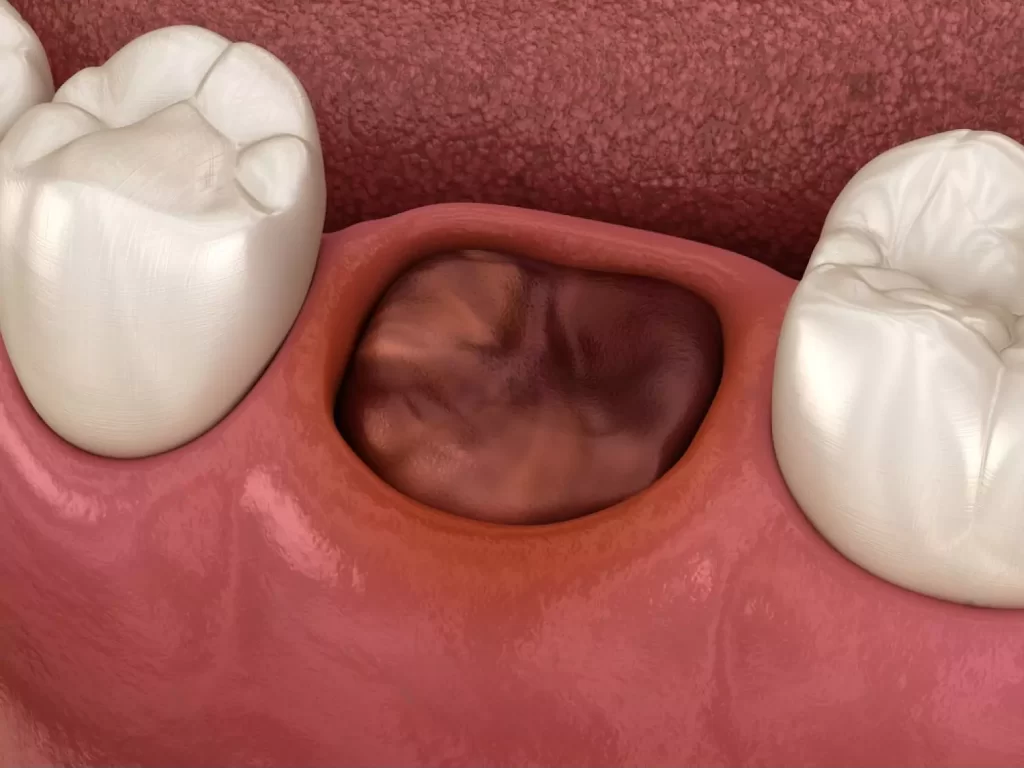
Dry socket, also known as alveolar osteitis, occurs when a blood clot in the socket dissolves or does not develop. This exposes the bone and nerves, resulting in extreme pain and problems. Here’s what you should know.
Symptoms: Dry socket often appears 2-4 days after extraction. Symptoms include extreme pain extending from the socket, a visible bone in the extraction site, and an unpleasant odor or taste.
Causes: Common reasons include smoking, poor dental hygiene, traumatic extraction, and hormonal variables like birth control medications.
Diagnosis: A dentist will check the socket and may take x-rays to confirm a dry socket.
Treatment for Dry Socket:
Professional Care: Your dentist will clean the socket and apply a medicated dressing to preserve the exposed bone while relieving discomfort. The dressing is typically changed every few days.
Pain Management: Pain medications, whether over-the-counter or prescription, can assist in alleviating discomfort. Avoid aspirin since it may cause bleeding.
Home Care: Follow your dentist’s precise advice, such as gently washing with salt water and avoiding activities that may upset the socket.
Prevention of Dry Socket:
Follow post-extraction instructions: To limit the risk of problems, strictly follow your dentist’s recommendations for treatment.
Avoid smoking: Smoking might dislodge the clot and slow recovery. If possible, refrain from smoking before and after extraction.
Maintain oral hygiene: Keep the extraction site clean to avoid infection, but avoid brushing it directly until it has fully healed.
What is a Normal Socket?
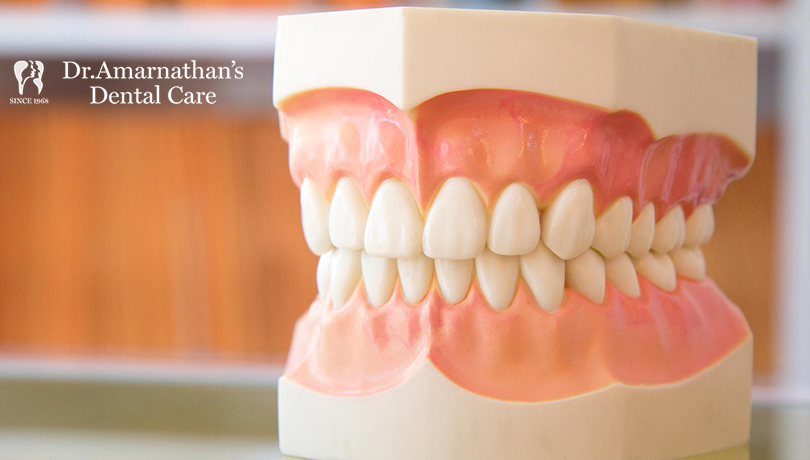
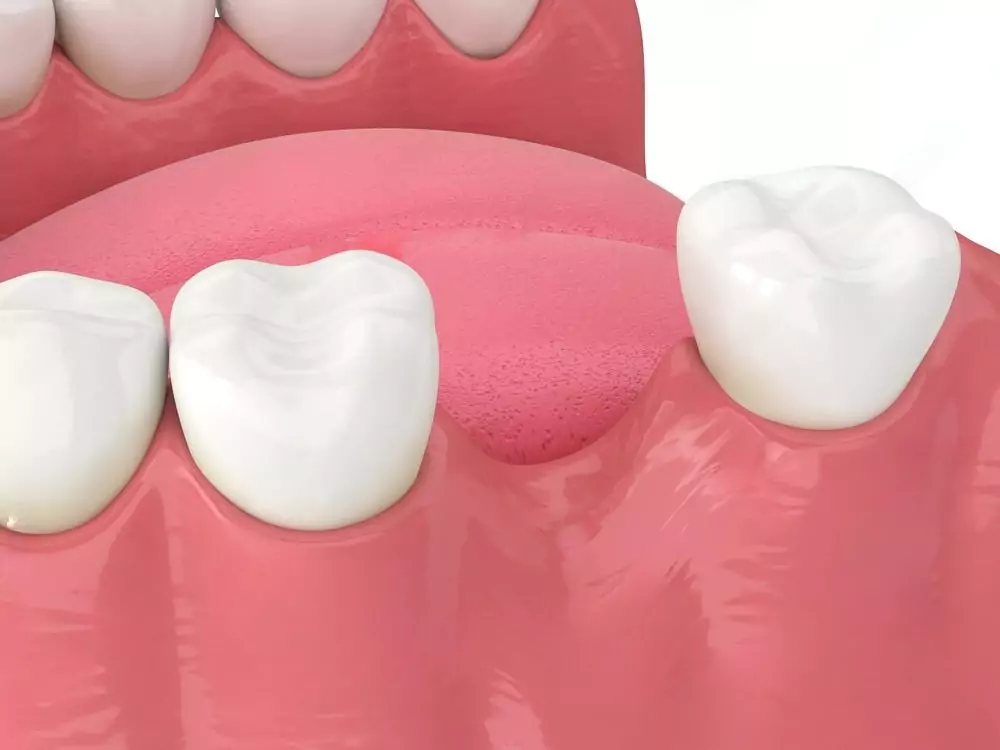
After a tooth extraction, the empty space is referred to as a socket. A normal socket is the standard healing process in which the extraction site recovers as expected. Here’s a close look:
Blood Clot Formation: Following extraction, a blood clot develops in the socket. This clot protects the underlying bone and nerves while also initiating recovery.
Healing Process: Over the next few days, the blood clot stabilizes and arranges the tissue. The socket progressively fills with new tissue, and healing goes quickly.
Recovery Time: Discomfort is normal for a few days after extraction, but it should progressively subside. Complete healing often takes a few weeks, with the socket covered by new gum tissue.
Treatment for a Normal Socket
Pain Management: Over-the-counter pain medications can assist with minor discomfort. Follow your dentist’s pain-management advice.
Home Care: Brush your teeth carefully and rinse with salt water to keep the extraction site clean.
Avoid Irritants: Smoking, using straws, and eating hard foods can all disrupt the healing process.
Prevention for a Normal Socket
Follow the post-extraction instructions: Follow your dentist’s care suggestions to promote healthy recovery. This involves avoiding specific meals and activities.
Maintain oral hygiene: Keep your mouth clean to avoid illness. Brush your teeth carefully and use any recommended mouthwashes.
Avoid smoking: Smoking can slow healing and increase the chance of problems, so avoid it throughout the recovery time.
Comparison: Dry Socket vs Normal Socket
Pain Level:
Normal socket pain ranges from mild to moderate and can be treated with over-the-counter drugs.
In contrast, dry socket pain is severe and chronic, necessitating more aggressive pain treatment and frequent dental appointments.
Appearance:
A normal socket will have a blood clot covering the wound, indicating that it is healing correctly.
In a dry socket, the clot may be absent or dislodged, exposing the underlying bone and resulting in obvious irritation or infection.
Healing Process:
Normal socket healing progresses predictably and progressively. The blood clot forms a protective barrier, allowing the wound to heal spontaneously.
Dry socket disrupts this process, delaying healing and potentially lengthening the recovery period.
Risk Factors:
While a normal socket heals without incident, risk factors for dry socket includes smoking, poor aftercare, and certain hormonal variables.
A dry socket is more probable if certain risk factors are present; thus, it is critical to follow care guidelines properly.
Treatment Approach:
Standard pain medication and home care are typically sufficient for a normal socket.
Dry socket requires more comprehensive care, including skilled cleansing of the socket and the use of medicated dressings to relieve discomfort and improve healing.
Conclusion:
Understanding dry socket vs normal socket is essential for a successful recovery from tooth extraction. While a normal socket heals with little complications, a dry socket needs immediate care and specialist treatment. By following basic care recommendations and practicing good dental hygiene, you may decrease the risk of problems and ensure a faster recovery.
Contact your local dental office for additional specific information or to set up a consultation. Proper care and attention are essential for a successful and comfortable recovery following tooth extraction.
Frequently Asked Questions
A dry socket seems to be empty, with exposed bone and no protective blood clot. The region may appear pale or yellowish, with a dry, irritated appearance.
To keep your tooth socket healthy following extraction, follow your dentist's care guidelines, which include careful dental cleaning and avoiding smoking or using straws. To aid healing, eat soft meals and rinse with salt water.
If you feel extreme discomfort a few days following tooth extraction, you may have a dry socket, which is characterized by visible bone and the absence of a protective blood clot.