

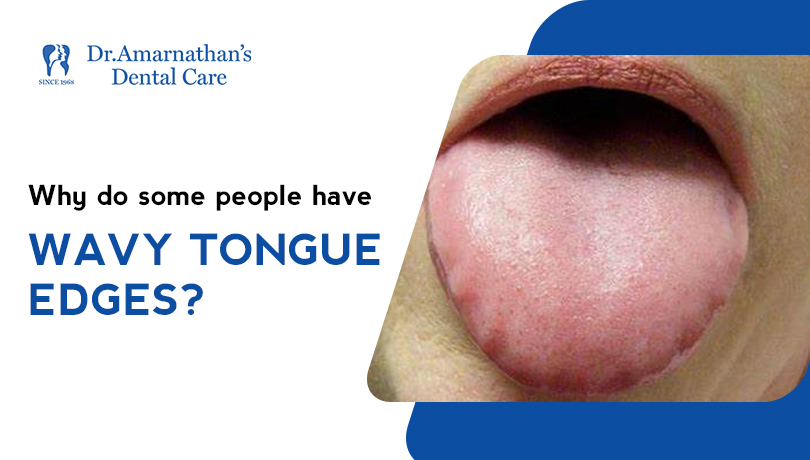
Do you notice wave-like marks or teeth impressions along the sides of your tongue? This condition is commonly called a scalloped tongue. It is also known as crenated tongue, wavy tongue, pie crust tongue, or lingua indentata.
A scalloped tongue usually appears when the tongue presses repeatedly against the teeth, creating rippled or indented edges. In some cases, it may occur temporarily due to swelling or tongue enlargement. While scalloped tongue itself may not always be painful, it can sometimes indicate underlying health conditions such as nutritional deficiencies, sleep apnea, thyroid disorders, or teeth grinding habits.
This blog explains the causes, symptoms, diagnosis, and treatment options for scalloped tongue.
What Is a Scalloped Tongue?
A scalloped tongue is a condition where the sides of the tongue are wavy or rippled due to continuous pressure against the teeth. These visible teeth impressions are commonly described as scalloped edges on tongue. The tongue may appear:
- Wavy along the edges
- Enlarged or swollen
- Tender or irritated
- Slightly red in some cases
Scalloped tongue is not usually a disease by itself. Instead, it is often a sign of an underlying dental, medical, or lifestyle-related condition.
What Causes a Scalloped Tongue?
Several medical and dental conditions may contribute to tongue scalloping. The condition commonly develops when the tongue repeatedly presses against the teeth for a long period.
Tongue Thrusting and Teeth Pressure
One of the most common causes of scalloped tongue is repeated pressure from the teeth. Habits like:
- Tongue thrusting
- Cheek sucking
- Teeth clenching
- Bruxism (teeth grinding)
can force the tongue against the teeth and create wave-like indentations.
Can TMJ Disorder Cause Scalloped Tongue?
Yes, temporomandibular joint disorder (TMJ disorder) may contribute to scalloped tongue.
The TMJ connects the jawbone to the skull. When the jaw becomes misaligned or strained, the tongue may push against the teeth more frequently to stabilize the jaw position. Over time, this constant pressure can create a crenated tongue appearance. Common TMJ symptoms include:
- Jaw pain
- Clicking sounds in the jaw
- Difficulty chewing
- Facial discomfort
- Teeth grinding
Nutritional Deficiencies Linked to Scalloped Tongue
Certain vitamin and mineral deficiencies may contribute to tongue inflammation and swelling, leading to scalloped tongue. Deficiencies commonly associated with scalloped tongue include:
- Iron deficiency
- Vitamin B12 deficiency
- Riboflavin deficiency
- Niacin deficiency
A lack of these nutrients may affect oral tissues and increase the risk of tongue-related problems.
Can Sleep Apnea Cause Scalloped Tongue?
Yes, obstructive sleep apnea is strongly associated with scalloped tongue.
Sleep apnea occurs when airflow becomes blocked repeatedly during sleep. Many people with sleep apnea breathe through the mouth or press their tongue against the teeth while sleeping. This repeated pressure may contribute to tongue scalloping over time. Other symptoms of sleep apnea include:
- Loud snoring
- Daytime fatigue
- Dry mouth
- Interrupted sleep
- Morning headaches
In some individuals, scalloped tongue may act as an early warning sign of sleep-disordered breathing.
Is Scalloped Tongue Related to Thyroid Problems?
Scalloped tongue may sometimes occur in people with hypothyroidism, a condition where the thyroid gland does not produce enough hormones. Low thyroid hormone levels can slow body metabolism and contribute to:
- Tongue swelling
- Enlarged tongue
- Fatigue
- Weight gain
- Dry skin
When the tongue becomes enlarged, it may press against the teeth and develop scalloped edges on tongue.
Other Medical Conditions Associated With Scalloped Tongue
Several inflammatory and systemic conditions may also contribute to scalloped tongue, including:
- Amyloidosis
- Angioedema
- Tuberculosis
- Sarcoidosis
- Neurofibromatosis
- Multiple myeloma
- Certain allergic reactions
In rare cases, some cancers and infiltrative diseases may also cause tongue enlargement and indentations.
Symptoms of Scalloped Tongue
People with scalloped tongue may notice:
- Wavy or rippled tongue edges
- Teeth marks on the tongue
- Tongue swelling
- Tongue pain or tenderness
- Redness or irritation
- Difficulty speaking in severe cases
The severity of symptoms varies depending on the underlying cause.
How Is Scalloped Tongue Diagnosed?
Dentists and doctors usually diagnose scalloped tongue through a clinical examination and medical history review. To identify the underlying cause, additional tests may sometimes be recommended, including:
- Blood tests
- Biopsy
- X-rays
- CT scan
- MRI scan
Proper diagnosis is important because scalloped tongue may sometimes indicate systemic health problems.
Scalloped Tongue Treatment
Treatment for scalloped tongue mainly focuses on managing the underlying condition responsible for tongue enlargement or pressure.
Common Treatment Approaches
| Causes | Possible Treatment |
| Teeth grinding | Mouthguards or Bite splints |
| Sleep apnea | CPAP Therapy or nasal support |
| Nutritional deficiency | Vitamin and mineral supplement |
| Hypothyroidism | Thyroid hormone replacement therapy |
| Inflammation | Anti-inflammatory medications |
When Should You Visit a Dentist?
You should consult a dentist or doctor if:
- Tongue swelling persists
- Pain or tenderness increases
- You notice difficulty breathing or swallowing
- Scalloped tongue appears suddenly
- Symptoms are associated with fatigue or sleep problems
Early diagnosis helps identify any underlying medical condition and prevents complications.
Conclusion
Changes in the appearance of the tongue can sometimes reflect underlying health or dental issues that should not be ignored. A scalloped tongue may develop due to habits like teeth grinding, tongue pressure, nutritional deficiencies, or certain medical conditions affecting the body.
Paying attention to symptoms early and seeking proper evaluation can help identify the exact cause and prevent further oral complications. Maintaining good oral hygiene, managing underlying health conditions, and attending regular dental checkups can help support overall tongue and oral health.
About the Author
Dr. A. Suresh, BDS, is a senior dental surgeon at Dr. Amarnathan Dental Care with over 30 years of clinical experience in preventive and restorative dentistry. Through this blog, he shares simple and informative insights about scalloped tongue, tongue-related oral conditions, and the importance of early diagnosis for maintaining better oral health.