

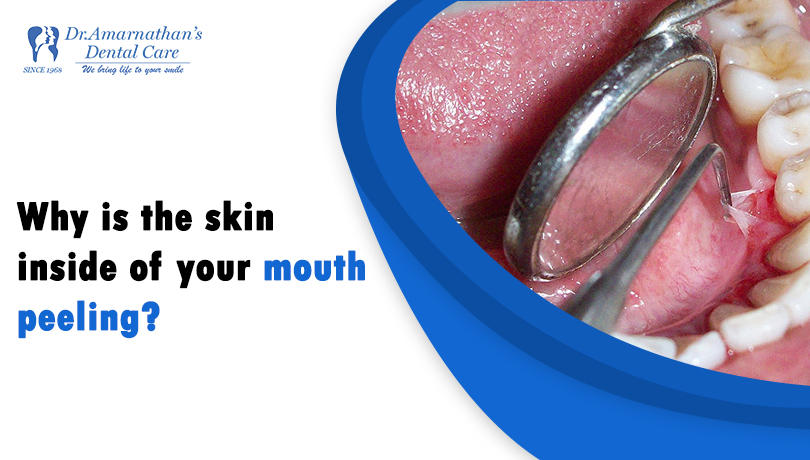
Skin peeling inside the mouth is commonly caused by toothpaste irritation, burns, dry mouth, oral thrush, allergies, vitamin deficiencies, trauma, or oral lichen planus. Most cases are harmless, but persistent peeling, pain, sores, or white patches should be evaluated by a dentist.
Skin peeling inside the mouth, also known as oral mucosa shedding, is a common condition that may occur due to irritation from toothpaste ingredients, burns from hot foods, dry mouth, oral thrush, allergic reactions, vitamin deficiencies, or minor injuries inside the mouth. While most cases are temporary and harmless, persistent peeling, pain, white patches, or sores may indicate an underlying oral health issue that requires professional dental care.
In this blog, we will explore the common causes of skin peeling inside the mouth, associated symptoms, treatment options, preventive tips, and when you should visit a dentist for proper evaluation and care.
What Is Oral Mucosa Shedding?
Oral mucosa shedding refers to the peeling or sloughing of the thin tissue lining inside the mouth. This may appear as white skin peeling in the mouth, flaky tissue on the cheeks, or peeling patches on the gums or tongue. Some people experience mild inside cheek peeling occasionally, while others may notice recurring irritation or sensitivity.
Although oral mucosa shedding is usually not serious, repeated mouth lining peeling may signal irritation, infection, or inflammation that requires attention.

Why Is the Skin Inside Your Mouth Peeling?
Noticing the skin inside your mouth peeling can feel unsettling, but in most cases it’s linked to irritation or an underlying condition. Some common causes include:
- Harsh oral care products – Toothpaste and mouthwash with sodium lauryl sulfate (SLS) or alcohol can irritate the delicate lining, leading to peeling.
- Burns from hot food or drinks – Scalding your mouth on coffee, tea, or pizza may cause the tissue to blister and shed as it heals.
- Oral thrush (fungal infection) – Caused by Candida yeast.
- Canker sores and ulcers – Surrounding tissue often becomes inflamed and may peel during healing.
- Medication side effects – Drugs that cause dry mouth or mucosal irritation can make the lining shed.
- Allergic reactions – Sensitivity to foods, medications, or even dental fillings may trigger peeling.
- Friction and trauma – Cheek biting, ill-fitting dentures, or braces can cause repeated irritation.
- Oral lichen planus – leads to white, lacy patches or peeling inside the cheeks and gums.
Causes of Skin Peeling Inside Mouth
Skin peeling inside the mouth can be caused by several causes, including
1.Toothpaste
One of the most common reasons for mouth lining peeling is irritation caused by toothpaste ingredients, especially sodium lauryl sulfate (SLS). Many whitening toothpastes and strong mouthwashes contain chemicals that may irritate sensitive oral tissues.
Signs include:
- White skin peeling in mouth after brushing
- Burning sensation
- Dryness or irritation inside cheeks
- Mild oral tissue peeling
Switching to an SLS-free toothpaste may help reduce symptoms.
2. Burns from Hot Foods and Drinks
Hot beverages, spicy foods, or freshly baked foods can burn the delicate lining inside the mouth. As the tissue heals, peeling skin in the mouth may occur.
Common symptoms include:
- Pain or sensitivity
- White patches
- Inside cheek peeling
- Temporary soreness
The peeling usually improves within a few days.
3. Dry Mouth (Xerostomia)
Dry mouth reduces saliva production, making oral tissues more prone to irritation and oral mucosa shedding. Dehydration, medications, smoking, and certain health conditions can contribute to dry mouth.
Symptoms may include:
- Sticky feeling in mouth
- Cracked lips
- Mouth lining peeling
- Difficulty swallowing
- Bad breath
Drinking plenty of water and maintaining good oral hygiene can help.
4. Oral Thrush
Oral thrush is a fungal infection caused by Candida yeast. It can lead to white patches, soreness, and peeling skin in the mouth.
Symptoms include:
- Creamy white patches
- Redness underneath peeled areas
- Burning sensation
- Oral tissue peeling
People with diabetes, weakened immunity, or prolonged antibiotic use are more prone to oral thrush.
5. Allergic Reactions
Certain foods, medications, dental materials, or oral care products may trigger allergic reactions that cause inside cheek peeling or mouth irritation.
Common triggers include:
- Cinnamon-flavored products
- Mouthwash
- Dental fillings
- Spicy foods
- Certain medications
Avoiding the trigger usually helps symptoms improve.
6. Vitamin Deficiencies
Deficiencies in vitamin B12, iron, or folic acid can affect oral health and contribute to oral mucosa shedding.
Symptoms may include:
- Mouth ulcers
- Sore tongue
- White skin peeling in mouth
- Cracks at mouth corners
A balanced diet and supplements may help restore oral tissue health.
7. Friction and Trauma
Accidental cheek biting, braces, sharp teeth, or ill-fitting dentures can repeatedly irritate the mouth lining and cause peeling.
This type of oral tissue peeling is usually localized to one area and improves after removing the source of irritation.
8. Oral Lichen Planus
Oral lichen planus is a chronic inflammatory condition that affects the mouth lining. It may cause white lacy patches, redness, soreness, and peeling skin in the mouth.
Persistent symptoms should be evaluated by a dentist.
At Dr. Amarnathan Dental Care, we commonly see patients experiencing mouth peeling due to toothpaste irritation, dry mouth, and oral fungal infections.
How to Treat Skin Peeling Inside Mouth
Dealing with peeling skin inside your mouth can be annoying and even painful. However, identifying the underlying causes and taking appropriate care can help alleviate the problem. Several approaches can be taken to address this issue.
- Stay hydrated to avoid dehydration in your mouth and lessen the chance of skin peeling.
- Avoid irritants such as spicy foods, acidic drinks, and tobacco to prevent mouth skin irritation.
- Maintain good oral hygiene by brushing your teeth regularly and using non-alcoholic mouthwash to promote healing and prevent irritation.
- To avoid abrasiveness, choose toothpaste that does not contain harsh substances like sodium lauryl sulfate.
- Use a humidifier in dry weather to increase moisture and avoid mouth dryness and peeling.
- Apply aloe vera gel to the injured region to relieve and aid healing.
- Avoid tobacco and alcohol to reduce inflammation and promote oral health.
- Avoid biting or chewing on rough items to protect your mouth skin.
- If skin peeling persists or is accompanied by other symptoms, get medical attention to ensure an accurate diagnosis and suitable treatment.
When Should You See a Dentist:
Although mild inside cheek peeling is usually harmless, consult a dentist if you experience:
- Persistent mouth lining peeling
- Severe pain or burning
- White or red patches that do not heal
- Bleeding
- Difficulty swallowing
- Recurring oral tissue peeling
- Mouth sores lasting more than two weeks
A professional evaluation can help identify infections, allergies, or underlying oral health conditions.
Bottom line
Peeling skin in the mouth or oral mucosa shedding is often caused by irritation, dry mouth, infections, allergies, or nutritional deficiencies. While mild mouth lining peeling usually resolves on its own, persistent symptoms should not be ignored. Understanding the causes of inside cheek peeling and maintaining proper oral hygiene can help protect your oral health and prevent future irritation.
At Dr. Amarnathan Dental Care, we help diagnose and manage a wide range of oral health conditions, including oral tissue peeling, dry mouth, oral infections, and mouth irritation. If you experience persistent mouth peeling or discomfort, consult our dental team for proper evaluation and personalized care.
About the Author
Dr. A. Suresh, BDS, is a senior dental surgeon at Dr. Amarnathan Dental Care, Tambaram, Chennai, with over 30 years of clinical experience in diagnosing and treating various oral health conditions. Through this blog, he shares reliable and patient-friendly information about oral mucosa shedding, mouth lining peeling, dry mouth, oral infections, and other common dental concerns to help patients better understand their symptoms and maintain good oral health.
“`html “`