

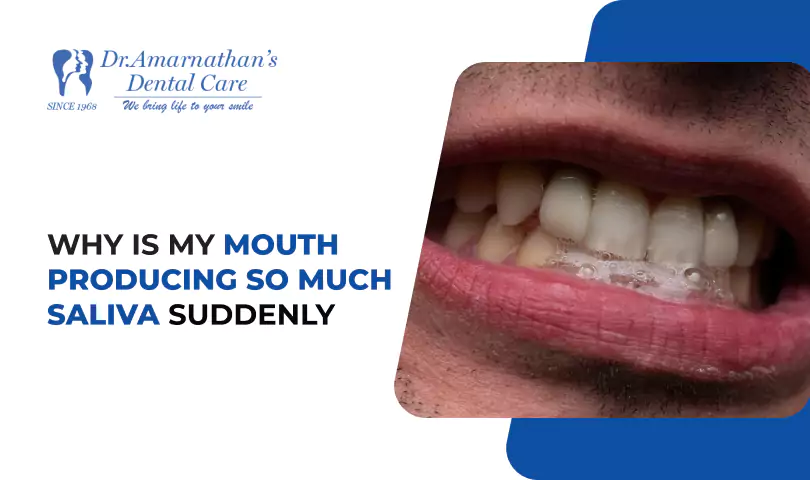
Hypersalivation – also known as sialorrhea or ptyalism – is the excessive production or accumulation of saliva in the mouth. While a little drooling during sleep is common for most people, persistent or unexplained excessive saliva can interfere with eating, speaking, swallowing, and even your social confidence.
In babies and young children, drooling is a normal part of development. But in older children and adults, excessive saliva often points to an underlying health or dental issue that deserves attention. The good news is that once the root cause is identified, hypersalivation is usually very manageable.
What Is Hypersalivation?
Hypersalivation, or excessive saliva production, occurs when your salivary glands generate more saliva than normal. This might result in an ongoing desire to swallow or spit out saliva, which can be both irritating and disturbing. While this is a common illness, identifying the underlying reason is critical for optimal management.
Symptoms of Hypersalivation
- Continuous drooling
- Bad breath (halitosis)
- Skin irritation around the mouth
- Difficulty swallowing or speaking
- Coughing or gagging episodes
- Risk of aspiration pneumonia in severe cases
Temporary vs. Chronic Hypersalivation:
One of the first questions to answer is whether your excessive saliva is a short-term problem or a sign of a longer-term condition. This distinction shapes everything about diagnosis and treatment:
| Temporary Causes | Chronic / Ongoing Causes |
| Pregnancy (ptyalism gravidarum) | Parkinson’s disease |
| Oral infections (thrush, tonsillitis) | Cerebral palsy |
| New dental appliances (braces, dentures) | ALS (motor neuron disease) |
| GERD flare-ups | Stroke or other brain injury |
| Certain medication side effects | Multiple sclerosis (MS) |
| Toxic ingestion / poisoning | Long-term medication use (e.g. clozapine) |
Common Causes of Sudden Hypersalivation
The following are the causes of hypersalivation:
Medication Side Effects
Certain medications can overstimulate the salivary glands and lead to excessive saliva production. This side effect is often overlooked but is a common trigger of hypersalivation.
Drugs commonly linked to hypersalivation include:
- Alzheimer’s disease medications
- Parkinson’s disease medications
- GERD (acid reflux) medications
- Certain antibiotics and tranquilizers
Gastroesophageal Reflux Disease (GERD)
GERD is one of the leading causes of hypersalivation. The body produces extra saliva as a natural defence mechanism to neutralise stomach acid that flows back into the oesophagus.
Excess saliva due to GERD is often accompanied by:
- Persistent heartburn
- Acid regurgitation
- Burning sensation in the chest
- Bad taste in the mouth
Oral Infections and Irritations
Infections and irritations inside the mouth can stimulate salivary glands and cause temporary hypersalivation. Treating the underlying issue usually resolves the problem.
Common oral triggers include:
- Gum disease (gingivitis)
- Oral thrush (fungal infection)
- Tonsillitis or throat infections
- Sharp dental edges or ill-fitting dentures
Neurological Conditions
Disorders that affect the brain and nervous system can disrupt the muscles controlling swallowing and saliva flow. This often leads to chronic drooling in older children and adults.
Neurological causes include:
- Stroke
- Parkinson’s disease
- Multiple sclerosis (MS)
- Cerebral palsy
- Amyotrophic lateral sclerosis (ALS)
Pregnancy (Ptyalism)
Pregnant women sometimes experience excessive saliva, a condition known as pregnancy ptyalism. It is usually linked to hormonal changes and nausea in the first trimester.
Contributing factors include:
- Hormonal fluctuations
- Morning sickness
- Dehydration
- Sensitivity to taste or smell
Dental Appliances
Dental devices may irritate the mouth and overstimulate salivary glands. This is common when appliances are newly fitted, but usually improves as the mouth adjusts.
Appliances most often linked to hypersalivation include:
- Braces
- Retainers
- Partial dentures
- Complete dentures
Toxic Ingestions
The body reacts to certain toxins and poisons by producing excessive saliva as a defence mechanism. This is considered a medical emergency and needs immediate attention.
Toxins that may trigger hypersalivation include:
- Certain industrial chemicals
- Poisonous plants
- Insecticides and pesticides
- Heavy metals
Diagnosis of Hypersalivation
Dentists and doctors begin by reviewing your medical and dental history to check for possible triggers such as medications, reflux, or neurological conditions. A physical exam helps determine whether the problem is from excessive saliva production or difficulty swallowing.
Key diagnostic steps include:
- Medical history review – Checking medications, lifestyle, and underlying health issues like GERD or stroke.
- Oral and dental exam – Identifying infections, gum disease, or poorly fitted dentures.
- Severity rating scales – Measuring how often drooling occurs and its impact on daily life.
- Specialist referral – In suspected neurological or gastrointestinal cases, referral to a neurologist, ENT, or gastroenterologist.
Treatment Options for Hypersalivation
Meanwhile, dentists can help reduce the overproduction of saliva and manage drooling with medical, dental, or surgical options depending on severity. Some of the commonly used treatments include:
Oral devices – Custom dental appliances may help position the jaw, lips, and tongue correctly, keeping the mouth closed and improving drooling control. These are not suitable for patients with breathing difficulties or seizure disorders.
Botox injections – Injecting botulinum toxin directly into the salivary glands temporarily paralyzes the nerves and muscles that stimulate saliva production. The effect generally lasts two to three months, after which repeat treatment may be needed.
Medications – Anticholinergic drugs such as glycopyrrolate or scopolamine patches are sometimes prescribed to reduce saliva production. These must be used under medical supervision because of possible side effects.
Speech and swallowing therapy – A speech therapist can teach exercises to strengthen swallowing muscles, improve lip closure, and manage saliva more effectively.
Surgery – In severe cases, surgeons may remove or reposition salivary glands to reduce drooling. This is considered only when other treatments fail.
Radiation therapy – When surgery is not an option, low-dose radiation may be used to shrink or reduce the activity of salivary glands. This approach is generally reserved for patients with severe, persistent symptoms.
Lifestyle and Home Remedies
Dietary modifications:
Avoid meals that cause increased saliva production, such as spicy, acidic, or too-sweet foods. Instead, choose bland, low-acidic meals that are unlikely to cause saliva production.
Oral hygiene:
Maintain good dental hygiene to avoid infections and inflammation, which can worsen hypersalivation. Brushing and flossing regularly, as well as using antimicrobial mouthwash, can help control the problem.
Hydration:
Drink lots of water throughout the day to maintain balance and avoid dehydration, which can exacerbate symptoms.
Chewing Gum:
Sugar-free gum can help regulate saliva by increasing the swallowing reflex and distracting you from the pain.
Saliva Absorbing Products:
Over-the-counter saliva-absorbing pads and tissues can help you control excess saliva discreetly and comfortably.
Final Thoughts:
If you’ve suddenly discovered that you have excessive saliva, you should take a proactive approach to the problem. While hypersalivation can be difficult to manage, recognizing its impact and researching appropriate therapies can make a big difference.
Consulting with a healthcare expert can assist you in determining the root reason and developing effective remedies that are suited to your specific requirements. Taking the proper actions can result in increased comfort and quality of life. Stay well-informed, seek expert advice, and take control of your dental health.