

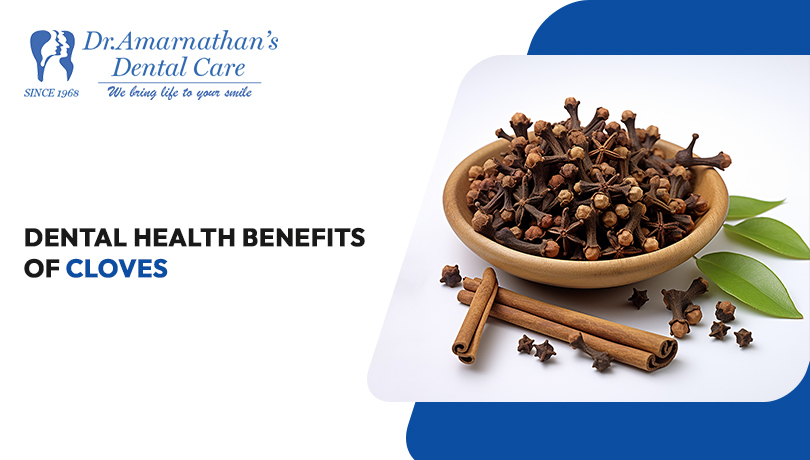
Cloves contain eugenol, a natural compound with antibacterial, anti-inflammatory, and pain-relieving properties that may help with toothaches, gum inflammation, bad breath, and oral infections. While cloves and clove oil can provide temporary relief, they should be used safely and never replace professional dental care.
Discover the dental benefits of cloves for toothache, gum pain, bad breath, and oral health. Learn how clove oil helps teeth naturally and when to see a dentist.
Clove is widely used in traditional dental care because of its antibacterial, anti-inflammatory, and pain-relieving properties. It contains a natural compound called eugenol, which may help reduce tooth pain, control harmful oral bacteria, and support healthier gums.
For centuries, cloves and clove oil have been used as natural remedies for toothaches, gum discomfort, and bad breath. While cloves may provide temporary relief from certain dental problems, they should be used carefully and should not replace professional dental treatment.
This blog explains the dental health benefits of clove, how cloves help teeth and gums, and the safest ways to use them for oral care.
Benefits of cloves:
Cloves provide various benefits for dental health, making them an essential supplement to oral care routines:
Antibacterial Properties:
- Cloves contain eugenol, a powerful chemical with antibacterial effects.
- It helps to battle germs in the mouth, lowering the risk of infection and cavities.
Anti-Inflammatory Effects:
- Reduces gum inflammation and promotes healthier gums.
- Effective in treating problems like gingivitis.
Analgesic (pain-relieving) qualities:
- It provides natural pain relief, making it ideal for toothaches and gum soreness.
- Clove oil can be used topically to numb the afflicted region.
Antiseptic nature:
- It acts as a natural antibacterial, ensuring a clean mouth.
- It helps to promote the prevention and treatment of oral infections.
Freshens Breath:
- Combats the microorganisms that produce foul breath, which helps to enhance oral hygiene.
- It leaves the mouth feeling refreshed and clean.
Toothache Relief:
- Traditionally used to treat toothaches by applying clove oil or inserting a clove on the affected tooth.
Gum Health:
- Anti-inflammatory and antibacterial properties help to maintain good gum health.
- It encourages the prevention of gum diseases.
Cavity Prevention:
- Reduces the development of microorganisms that cause cavities.
- Incorporating cloves into your oral care regimen may help prevent cavities.
It is essential to use cloves carefully and be cautious of individual sensitivities. Consultation with a dentist is recommended for individualized guidance on adding cloves into a dental care routine.
What dental problems are solved by cloves?
Cloves’ antibacterial, anti-inflammatory, and analgesic characteristics make them helpful in treating a variety of dental disorders. They are useful for:
Toothaches: Cloves give natural pain relief and numbing, making them helpful in treating toothaches.
Gum Issues: Cloves’ anti-inflammatory properties help decrease gum inflammation and support overall gum health.
Bad Breath: Cloves’ antibacterial qualities counteract odor-causing germs, resulting in fresher breath.
Oral Infection: Cloves are a natural antiseptic that inhibits bacterial development, helping to prevent and treat mouth infections.
Cavities: Clove’s antibacterial properties can help prevent cavities by inhibiting the development of germs that cause cavities.
Including cloves in moderation in your oral care practices might provide a comprehensive approach to preserving dental health. However, contacting a dentist for tailored guidance and treatment is essential.
Clove remedies for dental health
Clove therapies can help with a variety of dental issues, including:
Clove oil for toothaches:
- Apply a tiny quantity of clove oil straight to the impacted tooth to provide natural pain relief.
- Mix clove oil with a carrier oil and apply it to a cotton ball, then place it on the painful area.
Clove-infused mouthwash:
- Brew clove tea and use it as a mouthwash to benefit from its antibacterial effects.
- Combine clove oil and water for a DIY mouthwash promoting oral hygiene.
Clove Chewing:
- Chew on a whole clove gently to release its oils and take advantage of its natural analgesic and antibacterial effects.
Clove Compress for Swelling:
- Soak a cotton ball in a diluted clove oil solution to relieve swollen gums or irritation and apply it to the affected regions.
Clove and Turmeric Paste:
- Create a paste using ground cloves and turmeric powder, applying it to the gums for its anti-inflammatory effects.
Clove and Coconut Oil Pulling:
- To decrease germs and boost dental health, combine clove and coconut oil for oil pulling and swirl the mixture around in the mouth for several minutes.
Clove-infused Toothpaste:
- Add a little clove oil to increase the antibacterial properties of your usual toothpaste.
Clove Tea Rinse:
- Rinse your mouth with cooled clove tea to reduce inflammation and promote dental health.
While clove treatments might provide comfort, using them sparingly and contacting a dentist for complete tooth care is critical. Individual sensitivities might differ, and expert advice guarantees a balanced approach to oral health.
Is Clove Oil Safe for Teeth and Gums?
Clove oil is generally safe when used in small diluted amounts. However, concentrated clove oil may irritate the gums, cheeks, or tongue if applied excessively. To use clove oil safely:
- Always dilute before use
- Avoid swallowing concentrated oil
- Use only small amounts
- Avoid repeated excessive application
People with sensitive oral tissues should use caution while using clove oil.
When Should You Visit a Dentist?
Cloves may provide temporary relief from mild dental discomfort, but they cannot replace professional dental care.
You should visit a dentist if you experience:
- Severe tooth pain
- Swollen gums
- Persistent bad breath
- Bleeding gums
- Tooth sensitivity
- Cavities or visible tooth damage
Early dental treatment helps prevent complications and protects long-term oral health.
Conclusion:
Cloves can be a helpful natural remedy for supporting oral health and managing temporary dental discomfort. Their antibacterial, anti-inflammatory, and pain-relieving properties may help reduce tooth pain, freshen breath, and support healthier gums.
However, cloves should only be used as a supportive home remedy and not as a replacement for professional dental treatment. Maintaining good oral hygiene and scheduling regular dental checkups remain essential for healthy teeth and gums.
About the Author
Dr. A. Suresh, BDS, is a senior dental surgeon at Dr. Amarnathan Dental Care with over 30 years of experience in preventive and restorative dentistry. Through this blog, he shares simple information about the dental health benefits of clove, natural remedies for tooth pain, and practical tips to help maintain healthy teeth and gums.